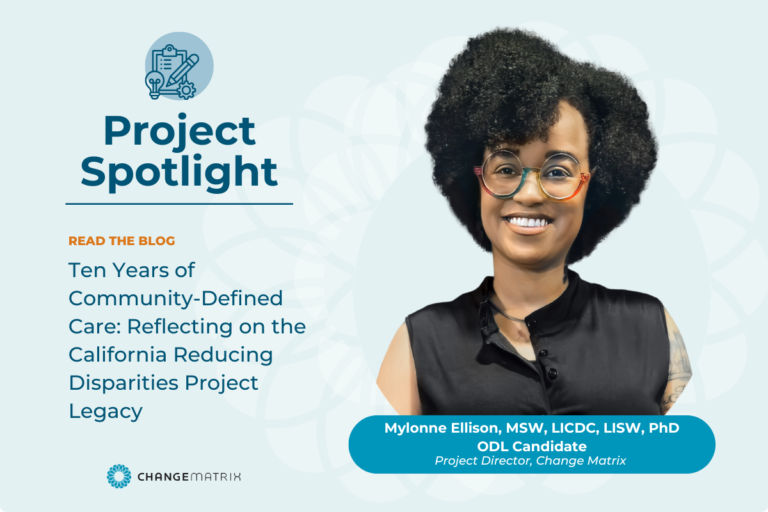
The California Reducing Disparities Project (CRDP) officially concluded on June 30 marking a remarkable 10-year legacy dedicated to advancing equity in behavioral health across California.
In May, I had the privilege of attending and helping to plan the 2026 Annual Convening, and now I find myself reflecting on that experience and everything this project has accomplished.
First, I want to express my sincere appreciation to our partners at Center for Applied Research Solutions (CARS). It has been an honor to work alongside a team that approaches this work with authenticity, commitment, humility, and a true spirit of collaboration. Their unwavering dedication to improving behavioral health outcomes and investing in communities has been inspiring to witness.
The convening itself was unlike any conference I’ve attended or helped support. Culture wasn’t simply acknowledged; it was embedded throughout the entire experience. LGBTQ+, Latinx, Native American, Black, and Asian and Pacific Islander communities were authentically represented through ceremony, storytelling, spiritual and cultural practices, celebration, and joy. We laughed together, cried together, learned together, and built community together.
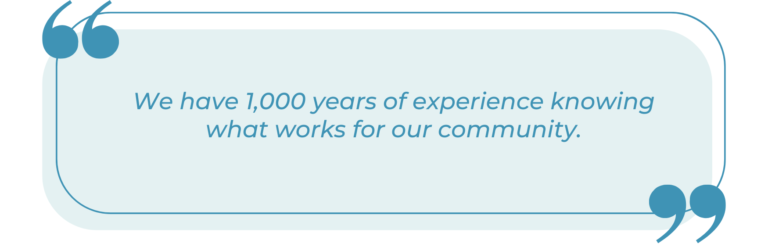
One moment that has stayed with me was when an elder shared, “We have 1,000 years of experience knowing what works for our community.” That statement perfectly captured the heart of Community-Defined Evidence Practices (CDEPs). Communities have long known what supports healing and wellness. Over the past decade, state evaluators partnered with these communities to build an evidence base that further validated what they already knew. The newly released 400-page evaluation report demonstrates that culturally grounded, community-defined practices are improving outcomes, saving resources, and most importantly, saving lives.
As someone who has had the opportunity to provide technical assistance to organizations through the LGBTQ TA Center, it was especially meaningful to hear one of our partner organizations recognize the support they received while accepting an award. Moments like that remind me why technical assistance matters and reinforce the importance of building authentic partnerships with organizations doing this critical work.
While this chapter closed at the end of June, I hope its legacy continues to influence behavioral health systems for years to come. This project serves as a powerful reminder of what is possible when communities, evaluators, technical assistance providers, and state partners work together to center culture, lived experience, and equity.
Thank you to everyone who contributed to this incredible 10-year journey. It has been an honor to play a small role in such meaningful work.