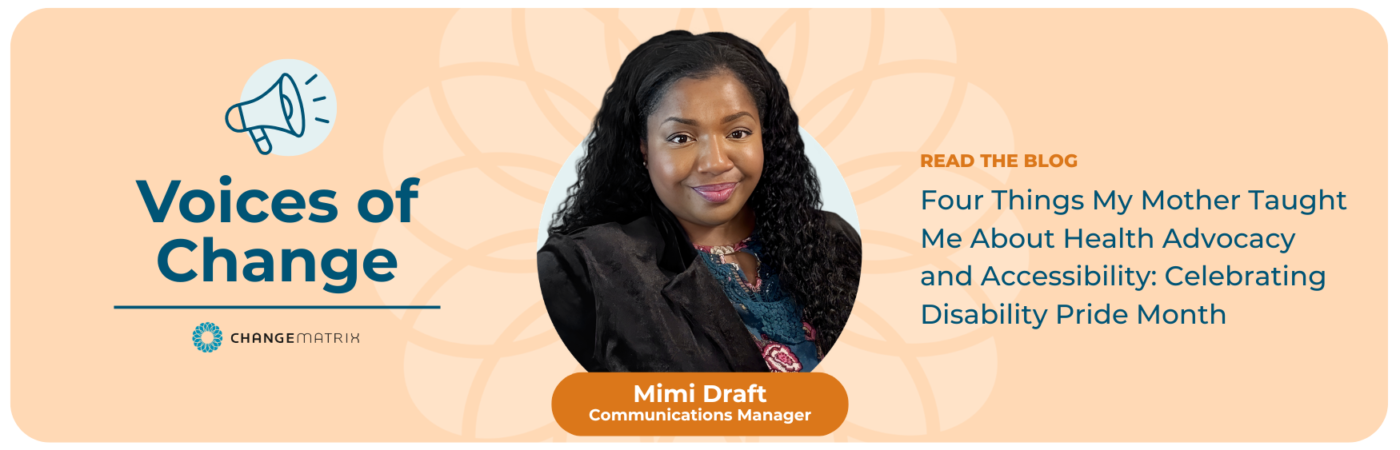
This July marks another Disability Pride Month, and 2026 marks the 36th anniversary of the Americans with Disabilities Act, signed into law on July 26, 1990. And this year’s theme, “The World Works Better With Us,” speaks directly to me and my upbringing.
My late mother spent her career as a patient advocate in Columbia, South Carolina. Long before it was her job title, it was simply who she was. She lived with sickle cell disease, and she spent decades working in the healthcare system, helping other people through healthcare navigation, professional development, and advocacy work.
As a child, I remember tagging along to the Sickle Cell Support Group she started with friends of hers who also lived with chronic hereditary illness while trying to navigate a system designed to ignore their pain. Those support groups grew into the James R. Clark Memorial Sickle Cell Foundation, an organization still carrying that work forward today.
My mother’s memory and the advocacy work she led after retiring at 37 due to disability have been instilled in my family and me. She taught us to fight for our autonomy and personhood within the American public health system. Unsurprisingly, much of my professional life mirrors the values instilled in me in the health equity work across my own career and now at Change Matrix.
Like my mother, I also live with sickle cell disease, an invisible disability inherited at birth. For a time, I didn’t talk about it publicly, wary that someone would judge me or my ability to show up. Now, I understand that long before I had the language for it, the tools my mother instilled in me centered accessibility as a mandatory need to show up as my full self. Accessibility isn’t an amenity. It’s a foundational condition for everyone to fully participate.
Here are four things Mom taught me. They now shape how I think about centering accessibility in equity and inclusion.
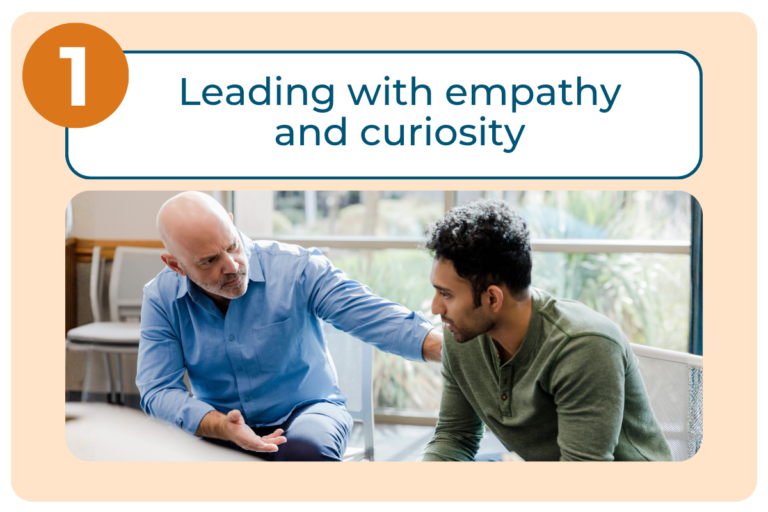
My mother advocated for people whose experiences were nothing like her own. She had sickle cell disease, but the patients she fought for were living with all kinds of conditions she’d never personally faced. She was a healthcare worker at the height of the HIV/AIDS epidemic, and she often recalled stories from her professional journey where discrimination was disguised as protection.
My mom never let that stop her from trying to understand what someone else was going through, and she never pretended her own experience made her an expert on someone else’s. She stayed curious, asked questions, and listened intentionally.
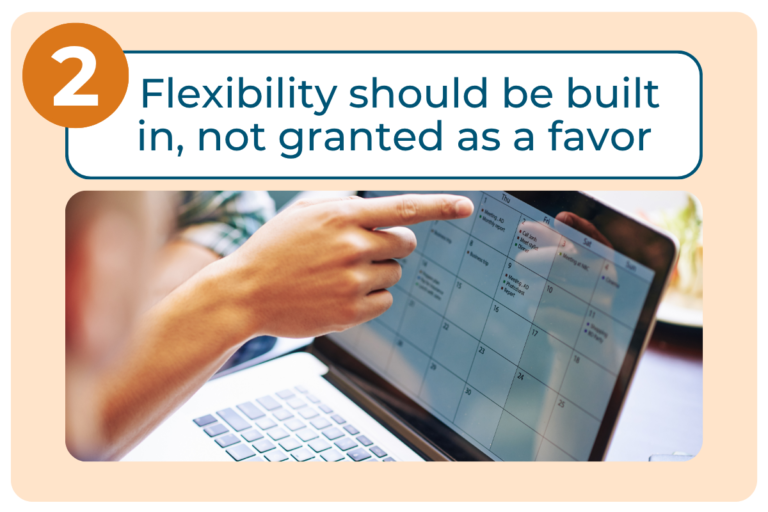
I watched my mother fight for systems, not just exceptions. She didn’t want a sympathetic caseworker to bend the rules for one patient. She wanted the rules themselves to bend toward the people. That’s the standard I hold my own workplaces to now. Flexibility, remote options, and grace around health needs shouldn’t depend on who happens to be in charge that day. They should simply be how things work.
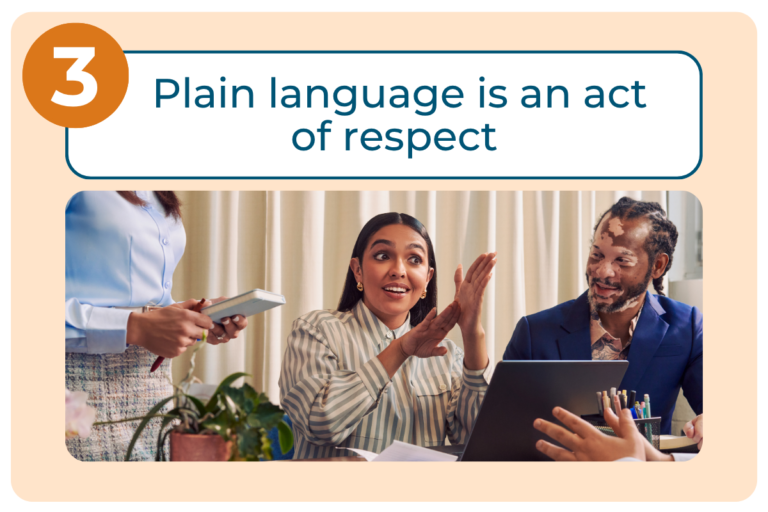
My mother spent years translating dense medical jargon and disability paperwork into something an exhausted patient or a chronically ill friend could understand to exercise their own rights. She treated it as respect. Clear, direct communication meets people where they are instead of asking them to rise to meet you. That’s true whether you’re explaining a diagnosis or offering a program to the public.
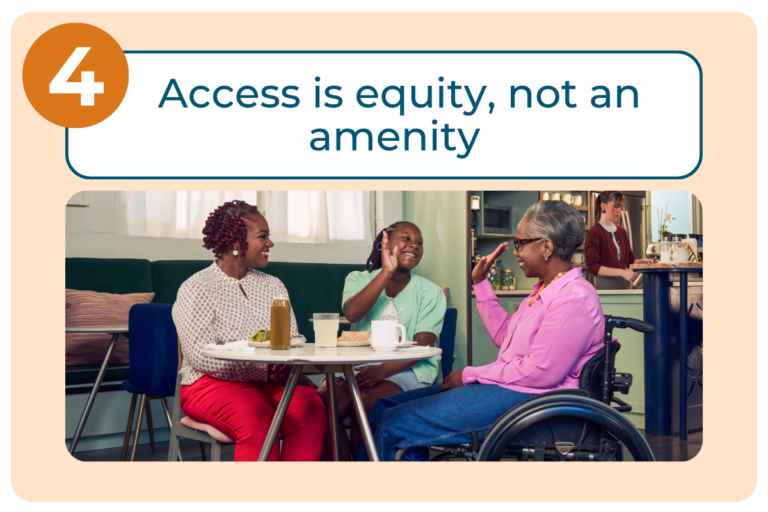
More than anything, my mother taught me that a ramp or a captioned video is the baseline of access. There are so many other ways to be inclusive of people with disabilities. Without access, systems or programs don’t actually work, at least not for everyone they’re meant to serve. There is no real equity without accessibility built in from the start.
Carrying the work forward
At Change Matrix, health equity is embedded in the work we do every day. The patients my mother advocated for, the systems she pushed to change, and the structures she helped build all reflect back to me in the communities we serve across the United States. As her daughter, I’ll never stop asking who might be quietly left out of the room.
I invite you to reflect on the principles my mother instilled in me. Where could accessibility move from an afterthought to a standard in your own work? How are you providing access as a pillar of equity and inclusion?
We’d love to hear what you’re already doing in the services you and your teams provide.
In honor of my mother and people working to make spaces more accessible across this country.
Happy Disability Pride Month!